
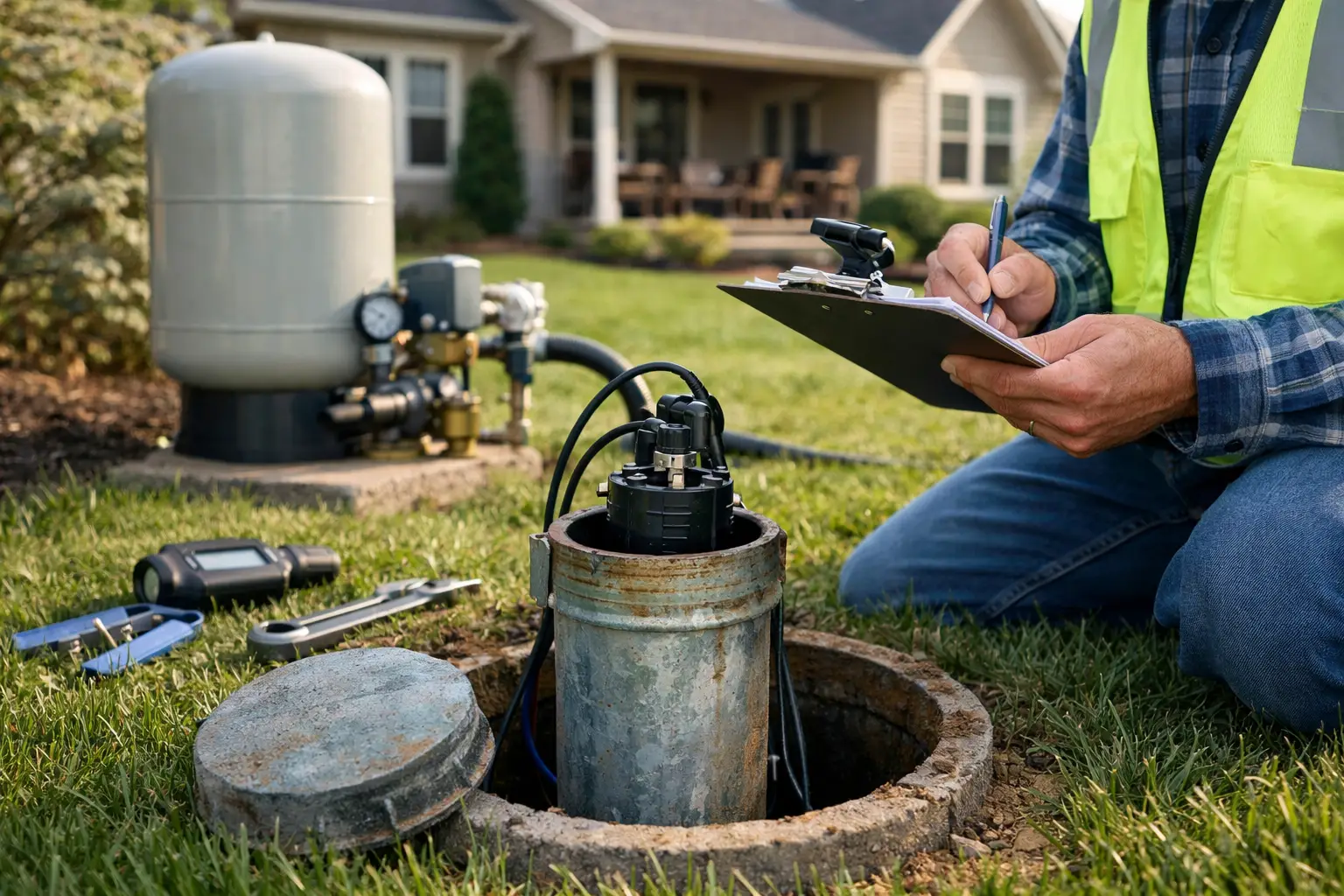
A rural property can look perfect at showing time and still have a well system with weak flow, aging components, or water quality concerns hiding in plain sight. That is why a water well inspection before closing deserves the same level of attention buyers give the roof, foundation, septic system, and electrical service. If the well underperforms after the sale, the problem becomes yours fast.
In Southeast Texas, that risk is not theoretical. Private wells often serve homes on acreage where public water is not available, and the system may have years of wear, deferred maintenance, or modifications that were never well documented. A buyer needs more than a quick glance at the pressure tank or a seller’s assurance that the water has “always worked fine.”
What a water well inspection before closing is really checking
A well inspection is not just about whether water comes out of a faucet during a short walk-through. It is about whether the system appears to operate reliably, whether the visible components show signs of deterioration or improper installation, and whether the property has any red flags that justify further evaluation or water testing.
That includes the condition of accessible equipment such as the wellhead, pressure tank, pressure switch, piping, wiring, and visible connections. It also includes basic operational observations like pressure response, pump cycling behavior, and whether the system can maintain usable water delivery under normal demand. If the pressure drops sharply, if the pump short cycles, or if the tank shows signs of failure, those are not minor details. They often point to repairs that can become expensive quickly.
A good inspection also looks at the setting around the well. Drainage toward the wellhead, poor sealing, missing caps, exposed wiring, or nearby contamination sources can all matter. On rural properties, the relationship between the well, septic system, livestock areas, and grading around the site is part of the larger risk picture.
Why buyers in Southeast Texas should treat well inspections seriously
In this region, moisture, flooding patterns, shifting soils, and heavy seasonal rains can affect more than structures. They can also affect the ground conditions around a well and raise concerns about surface intrusion or long-term wear on equipment. Rural properties may also have older systems that have been repaired over time by different owners, sometimes with mixed-quality workmanship.
The practical issue is simple. A private well is not a city utility. If it fails, there is no municipal crew coming out to restore service. The buyer is responsible for diagnosing the cause, scheduling repairs, and paying the bill. Depending on the problem, that may involve replacing a pressure tank, pulling a pump, repairing electrical components, correcting sanitary deficiencies, or addressing water treatment needs.
That does not mean every well is a problem. Many private well systems serve homes reliably for years. It does mean that a buyer should verify performance and condition before funds are fully committed.
What inspectors commonly find during a water well inspection before closing
Some findings are obvious once someone experienced takes a close look. Corrosion at fittings, damaged tank components, active leaks, or makeshift electrical work are all common examples. Other issues show up during operation. A pump that cycles too rapidly may suggest a waterlogged pressure tank or pressure control problem. Inconsistent pressure at fixtures can point to restrictions, failing equipment, or system design limitations.
Another concern is the wellhead itself. If the cap is damaged or unsecured, if the casing termination is questionable, or if the area allows runoff to collect around the well, the sanitary protection of the system may be compromised. Buyers often focus on flow and overlook these exposure issues, but contamination risk can be just as important as mechanical reliability.
Water appearance and odor also matter, although they do not tell the whole story. Staining, sediment, sulfur odor, or cloudy water can indicate the need for further testing or treatment review. At the same time, clear water does not automatically mean safe water. That is where lab testing becomes important.
Inspection versus water testing
This is where many buyers misunderstand the process. A well inspection and a water quality test are related, but they are not the same service.
The inspection focuses on the condition and operation of the visible and accessible well system components. Water testing evaluates the quality of the water sample for selected contaminants or indicators, depending on the scope requested or required by the lender. If you only do one and skip the other, you may miss part of the picture.
For example, a well can produce strong pressure and still have bacterial concerns or chemistry issues. On the other hand, water can test acceptably and the system can still have a failing pressure tank, poor wiring, or a deteriorated wellhead. Buyers should think in terms of both function and water quality, especially on rural properties where the private well is the primary source of household water.
What a well inspection may not tell you
A careful inspection is valuable, but it has limits. Inspectors typically do not dismantle the well, pull the pump, or determine the exact depth and production history unless documentation is available. They also may not be able to predict remaining life for every component. A system can perform adequately on inspection day and still fail later because mechanical equipment wears out over time.
That is not a weakness in the process. It is simply the reality of evaluating a working system without destructive testing. What the inspection should do is identify visible defects, operational concerns, installation issues, and conditions that suggest a need for repair, service records, or specialist follow-up before closing.
When to schedule the inspection
The right time is during the option period or inspection contingency window, not days before signing final papers. Buyers need enough time to review findings, request repairs, obtain water lab results if needed, and negotiate from a position of information rather than urgency.
Waiting too long creates avoidable pressure. If the inspection reveals weak flow, unsafe electrical conditions, missing wellhead protection, or unsatisfactory water test results, you need time to decide what comes next. That might mean asking the seller to make repairs, requesting a credit, consulting a well contractor, or reassessing the purchase altogether.
On properties with both septic and well systems, it is smart to evaluate both before closing. These systems often carry the biggest unknowns on rural transactions because they are easy to overlook and expensive to correct.
Questions buyers should ask before closing
Ask how old the pump and pressure tank are, whether there are service records, and whether the well has had recent repairs or recurring pressure issues. Ask whether there has been any history of sediment, odor, discoloration, or seasonal performance changes. If the property has been vacant, ask how long the system has been sitting and whether it has been operated regularly.
You should also ask about any water treatment equipment on site. Softeners, filters, and disinfection systems can be helpful, but they can also hide underlying water quality or maintenance issues if no one explains what they are treating and whether they are functioning properly.
These questions do not replace an inspection. They help frame the inspection findings and identify where documentation or follow-up may be needed.
How inspection findings affect negotiations
Not every issue should stop a transaction. Some findings are routine maintenance items, while others point to larger risk. A small drip at a fitting is different from a system that cannot maintain pressure. Surface grading concerns near the well are different from evidence of unsafe wiring or sanitary defects.
The value of the inspection is that it helps separate manageable issues from expensive unknowns. Buyers can then negotiate based on actual conditions rather than assumptions. In many cases, that leads to a more reasonable conversation with the seller because the concerns are documented clearly.
For buyers in Southeast Texas, a thorough inspection company with field experience in rural property systems can make a real difference. Texas Country Inspection approaches these properties with the understanding that wells, septic systems, moisture exposure, wood-destroying insect activity, and structural movement often need to be considered together rather than as isolated concerns.
The cost of skipping it
A skipped well inspection can save a little money before closing and cost a great deal more after closing. That can show up as a failed pressure tank, a pump replacement, trenching and repairs, water treatment expenses, or the stress of moving into a house where the water system is unreliable from day one.
More than that, it leaves the buyer without a clear baseline. Even when the well appears to be working, a documented inspection gives you a better understanding of what you are inheriting, what needs attention, and where the risks are.
If a property depends on a private well, the water system is not a side item in the transaction. It is a core part of the home’s livability. Before closing, treat it that way, and give yourself the chance to make a decision with facts instead of hope.
