
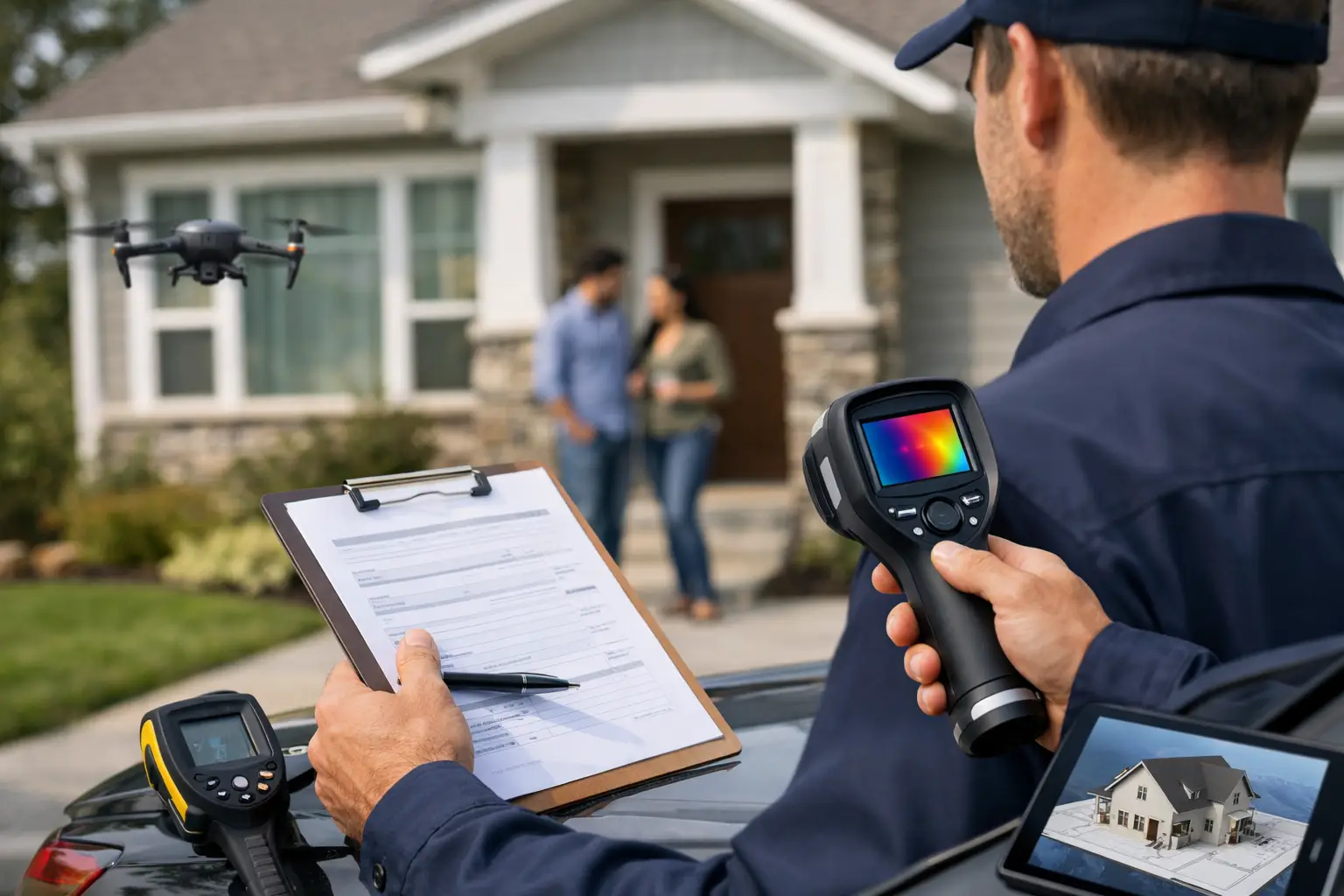
A clean-looking house can still hide the expensive problems that matter most in Southeast Texas. Slab movement, concealed moisture, aging HVAC equipment, termite activity, septic failures, and drainage issues do not always show up in a quick walk-through. That is why property inspection industry trends are moving toward deeper documentation, better field tools, and more specialized evaluations that help buyers and owners make decisions with fewer surprises.
For clients in this region, trends are not just industry talk. They affect how risk is identified before closing, what lenders and insurers may ask for, and how much useful detail ends up in the final report. The most meaningful changes are not about making inspections flashy. They are about making findings more accurate, more defensible, and more relevant to real property conditions.
Property inspection industry trends are getting more specialized
A general home inspection is still the foundation of the process, but buyers increasingly need more than a broad overview. In Southeast Texas, one property may involve a slab foundation, private septic, a water well, a detached shop, heavy tree cover, and visible signs of prior moisture entry. A standard inspection can identify many concerns, but certain risks call for added scope.
That is one of the clearest property inspection industry trends – clients are asking for inspections that match the property instead of relying on a one-size-fits-all approach. Termite and wood-destroying insect reports, pool and spa inspections, septic evaluations, and 11-month warranty inspections are becoming less of an afterthought and more of a planned part of due diligence.
This shift benefits buyers because it reduces blind spots. It also introduces a trade-off. A more complete inspection process may cost more upfront, but that cost is often minor compared to foundation repair, hidden structural damage, or a failed septic system discovered after closing.
Reports are becoming more evidence-driven
Years ago, some inspection reports were little more than a checklist and a few photos. That format leaves too much room for confusion. A buyer, agent, seller, or contractor needs to understand not just what was seen, but why it matters, where it was found, and what the next step should be.
The industry is moving toward more detailed reporting with clearer narratives, more photographs, and better categorization of defects. That matters when the issue is not cosmetic. If an inspector documents displaced masonry, sloped floors, moisture staining at baseboards, and elevation differences that suggest movement, the report should explain the pattern clearly. The same goes for active leaks, double-tapped breakers, missing anti-tip devices, damaged roof coverings, or evidence of wood-destroying insects.
Detailed reporting also helps after the inspection. Buyers use it for repair negotiations. Owners use it to prioritize maintenance. In some cases, lenders, warranty providers, or contractors rely on it to understand the condition of a system at a specific point in time.
Technology is helping inspectors verify what the eye alone may miss
The best inspectors do not replace field judgment with gadgets, but the right tools can reveal conditions that deserve closer review. Infrared thermography is a good example. When used correctly, it can help identify temperature differences that may suggest moisture intrusion, missing insulation, overheating electrical components, or HVAC performance concerns.
That does not mean every thermal image confirms a defect. It means the inspector has another way to detect anomalies and support observations. The same principle applies to foundation-related measurements. In areas where slab movement is common, hydro-static altimeter readings can add useful data when there are signs of settlement or heave. Numbers alone do not diagnose the full cause, but they can strengthen the inspection record and help show whether visible symptoms line up with measurable elevation differences.
This is an important trend because clients are asking for more than opinion. They want documentation. In a market where repair decisions can involve thousands of dollars, that is a reasonable expectation.
Moisture, drainage, and indoor air concerns are getting more attention
Southeast Texas properties deal with high humidity, heavy rain, wet soils, and long cooling seasons. That combination creates recurring problems around roof leakage, poor grading, clogged or missing drainage controls, plumbing leaks, HVAC condensate issues, and microbial growth conditions.
As a result, inspectors are paying closer attention to moisture pathways and the conditions that allow damage to develop over time. This includes attic staining, soft exterior trim, elevated moisture readings in walls, improper condensate discharge, poor crawlspace ventilation where applicable, and yard drainage patterns that direct water toward the structure instead of away from it.
What has changed is not that these issues are new. What has changed is the level of emphasis. Buyers are more aware that moisture problems can move from a small stain to damaged framing, interior finishes, insulation, and air quality concerns if left uncorrected. Good inspection practice now places more weight on tracing cause and effect, not just noting surface damage.
WDI reporting is becoming a bigger part of transaction risk management
In Texas, termite and wood-destroying insect concerns are not theoretical. They are a real transaction issue, especially for certain loan types and for properties with visible conducive conditions such as wood-to-soil contact, excess moisture, or prior structural repairs.
One of the more practical industry shifts is the growing value of inspectors who understand both the building and the pest-related risk. A basic observation of damaged trim is helpful, but it is more useful when the inspector can distinguish between old damage, active insect evidence, moisture-related deterioration, and conditions likely to invite future infestation.
That distinction matters to buyers because not every damaged board means active termites, and not every clean wall means the structure is free of hidden risk. WDI reporting is becoming less of a box to check and more of a focused evaluation tied to financing, repair decisions, and long-term maintenance.
Buyers want inspectors to explain systems, not just list defects
Another trend shaping the profession is the demand for clearer communication. First-time homebuyers need plain-English explanations. Experienced investors often want concise, technically grounded observations that let them gauge cost and urgency quickly. Both groups benefit when the inspector explains how a component is supposed to work, what was observed, and why the condition deserves attention.
This is especially true for systems that many buyers do not encounter every day. Septic systems, private wells, older electrical panels, aging commercial roofs, or pool equipment can create uncertainty if they are not explained properly. A report that says a system is deficient is not enough. Clients need to know whether the issue points to immediate safety concerns, deferred maintenance, specialist review, or likely near-term replacement.
The inspectors who stand out are the ones who can connect findings to real-world decisions. That is not about alarming the client. It is about helping them understand risk in a practical, usable way.
Commercial inspections are following the same trend toward deeper due diligence
The same forces shaping residential inspections are affecting commercial work. Buyers of retail, office, light industrial, and mixed-use properties want more than a quick condition snapshot. They need a realistic picture of major systems, deferred maintenance, life expectancy concerns, and safety issues that could affect occupancy, financing, or repair budgeting.
Commercial property inspection work is becoming more focused on documentation, system age, visible performance concerns, and maintenance history when available. Roof condition, electrical service capacity, HVAC functionality, evidence of water intrusion, structural movement, parking lot deterioration, and life-safety components all carry weight because commercial repair costs escalate quickly.
There is also a practical difference in client expectations. Residential buyers may be deciding whether to proceed with a purchase. Commercial buyers are often evaluating capital planning. That means the report has to be clear enough to support a larger financial decision, not just a repair request.
Regional expertise matters more as inspections become more detailed
One of the strongest trends in the field is the growing value of local knowledge. A technically sound inspector still needs regional context. In Southeast Texas, expansive soils, high moisture levels, insect pressure, and rural property systems create a different inspection environment than you would see in a dry climate or a dense urban market.
That local perspective changes what gets extra attention. Foundation movement indicators, drainage performance after heavy rainfall, attic ventilation in hot humid conditions, pier and beam moisture exposure, well and septic concerns, and WDI risk factors all deserve closer review here. The point is not to assume every property has the same problem. The point is to inspect with an understanding of what commonly fails in this environment and what early warning signs look like.
That is where a field-driven company like Texas Country Inspection, LLC brings real value. A careful inspection is not just about covering a checklist. It is about recognizing patterns, documenting them thoroughly, and helping the client understand what those findings may mean before money changes hands.
The inspection industry will keep adopting better tools and more specialized services, but the core standard is staying the same. Clients still need an inspector who pays attention, knows what to look for, and does not take shortcuts when the stakes are high. If you are buying, selling, or maintaining property in Southeast Texas, the smartest trend to follow is still the oldest one – get the most thorough inspection you can before a hidden problem becomes your problem.
