
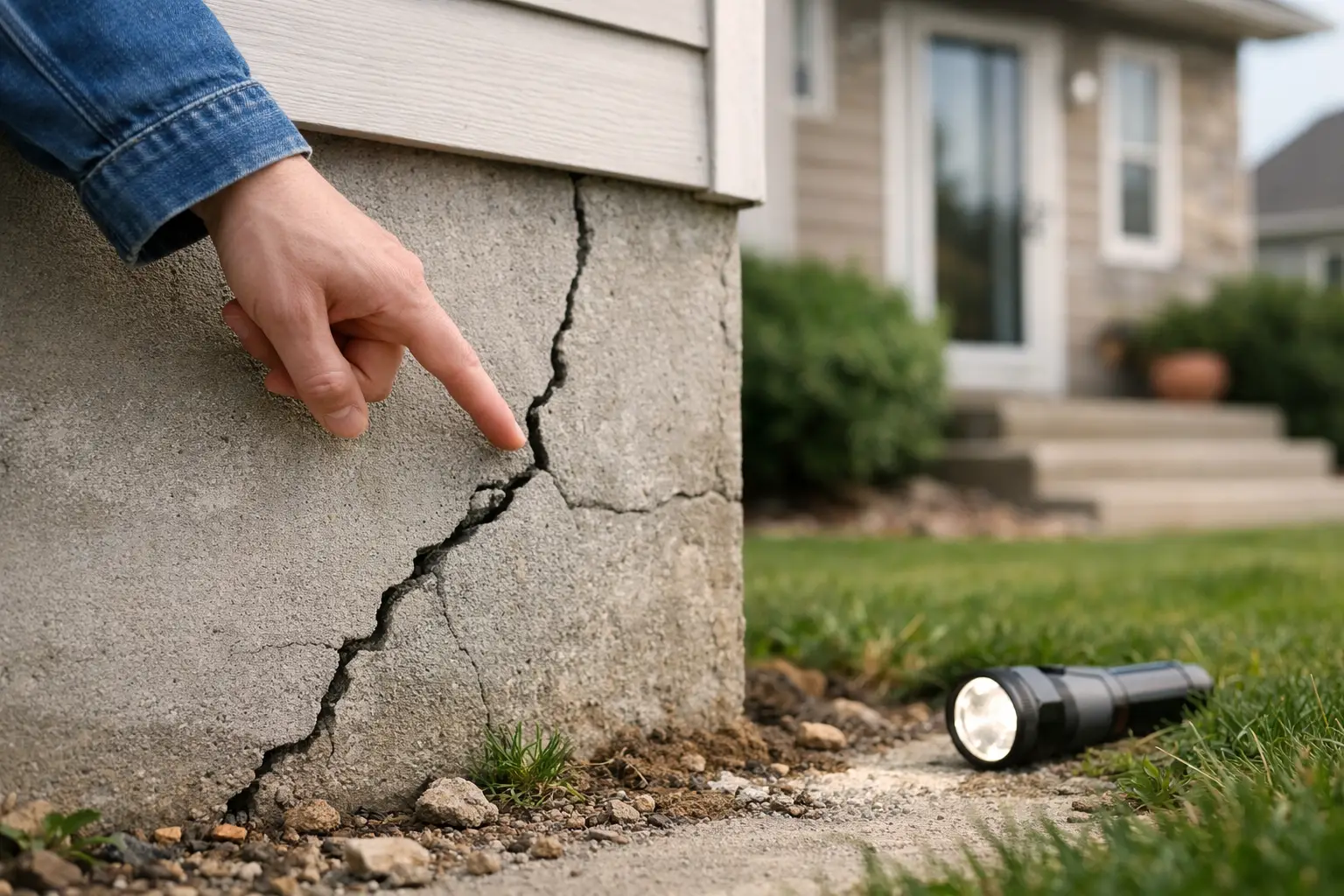
A hairline crack in a slab or brick wall can stop a real estate deal cold, especially when buyers are already nervous about hidden costs. But are foundation cracks always serious? No. Some are minor signs of normal settling, while others are warnings that the structure is moving beyond what the building can tolerate.
The challenge is knowing the difference before you minimize a problem that needs repair, or panic over a cosmetic issue. In Southeast Texas, that distinction matters even more because expansive soils, heavy rainfall, drainage problems, and long periods of heat can all affect how a foundation performs over time.
Are Foundation Cracks Always Serious in Texas Homes?
Not every crack means the foundation is failing. Concrete shrinks as it cures, homes settle as soils adjust, and minor movement can occur without creating a structural hazard. A small, thin crack with no measurable displacement may simply be a condition to monitor.
What raises concern is the pattern, location, width, and related evidence around the property. If cracks are growing, if one side is higher than the other, or if they appear alongside sticking doors, sloping floors, separated trim, or exterior brick movement, the issue moves out of the cosmetic category quickly.
In this part of Texas, inspectors pay close attention to the whole picture. A crack by itself tells only part of the story. Drainage, grading, vegetation, moisture intrusion, plumbing history, and the age and type of construction all help determine whether the crack is routine or significant.
What Inspectors Look at Beyond the Crack
A thorough inspection does not stop at spotting a line in concrete. The question is what that crack is saying about movement. That requires looking at multiple components together.
Inside the home, inspectors look for doors that drag, windows that will not operate properly, cracked sheetrock at corners, uneven flooring, separated cabinets or countertops, and gaps at ceiling lines or baseboards. Outside, they check brick veneer cracks, step cracking in mortar joints, fascia irregularities, trim separation, and signs that drainage is allowing water to collect near the structure.
The foundation itself is also evaluated for crack direction, width, displacement, and location. A vertical hairline shrinkage crack in a garage slab does not carry the same weight as a wide diagonal crack accompanied by elevation change and wall distress.
At Texas Country Inspection, LLC, foundation concerns are approached with field experience and technical tools when appropriate, including infrared thermography and hydro-static altimeter readings to help assess movement patterns. That kind of documentation matters when buyers or owners need more than a quick opinion.
Crack Types That May Be Less Concerning
Some cracks are common and may not indicate major structural failure. Hairline shrinkage cracks in poured concrete can develop as the material cures. Minor slab cracks in a garage or patio may be noticeable but stable. In masonry, a very small crack with no widening and no related movement may simply reflect age and normal settlement.
That said, less concerning does not mean ignore it forever. Even minor cracks should be watched over time. If moisture enters through them, or if they begin to widen, the risk changes. A crack that is harmless today can become more serious if the underlying cause continues.
This is why experienced inspectors document what they see carefully. A buyer or homeowner needs a baseline. Without one, it is difficult to tell whether a crack has been the same for ten years or doubled in size over one wet season.
Signs a Foundation Crack May Be Serious
The most concerning cracks usually come with supporting evidence. Width matters, but so does movement. A crack with visible separation or one side offset from the other suggests more than cosmetic shrinkage.
Diagonal cracks near doors and windows often deserve closer evaluation because they can reflect stress from uneven settlement. Horizontal cracks in certain foundation walls can be especially concerning, depending on the construction type, because they may indicate pressure against the wall. Stair-step cracking in brick can also point to differential movement, particularly when combined with interior distress.
Homeowners should pay attention when cracks appear with these conditions:
- doors or windows sticking or going out of square
- sloping or uneven floors
- gaps between walls and ceilings or walls and trim
- brick veneer separation or widening mortar cracks
- standing water near the home after rain
- repeated cosmetic repairs in the same areas
One crack alone may not tell the story. Several symptoms occurring together usually justify a more serious foundation assessment.
Why Southeast Texas Homes Need Careful Evaluation
In areas like Beaumont, Lumberton, Orange, and surrounding communities, soil and moisture conditions can work against a foundation year-round. Clay-rich soils can swell when wet and shrink when dry. That repeated expansion and contraction places stress on slabs, piers, and the materials above them.
Poor drainage is another common factor. If water is allowed to pond near the perimeter, certain sections of the foundation may stay wetter than others. That uneven moisture content can lead to differential movement. On the other hand, extended dry periods can cause soil to pull away and lose support.
Large trees can also influence soil moisture levels, especially when roots draw water from one side of the home more aggressively than the other. Add in plumbing leaks beneath a slab, and the movement pattern can become even harder to interpret without a full inspection.
This is why broad statements about cracks are risky. The same crack pattern may have very different implications depending on soil behavior, drainage conditions, foundation design, and the home’s repair history.
Cosmetic Crack or Structural Concern? It Depends on Context
Many buyers want a simple rule, but foundation evaluation rarely works that way. A narrow crack in a newer home may be benign. The same narrow crack in an older home with repeated movement, drainage issues, and visible floor slope could be a sign of a larger problem.
Repair history also matters. If a home has had previous foundation work, current cracking should be viewed in that context. It does not automatically mean the repair failed, but it does mean the property deserves closer review. Movement may have stabilized, or it may still be active.
Material type matters too. Cracks in drywall, brick veneer, tile, and concrete do not all carry the same meaning. Some finishes crack faster than others. An inspector’s job is to separate finish distress from evidence that suggests the structure itself is shifting.
What Buyers and Homeowners Should Do Next
If you notice foundation cracks, start by documenting them. Take clear photos, note the date, and observe whether doors, windows, or flooring are changing at the same time. Look outside after rain to see whether water drains away from the home or collects near the perimeter.
Do not rush to seal and paint over everything before the cause is understood. Cosmetic patching can hide useful evidence. During a transaction, that can create confusion for both buyers and sellers.
A professional inspection is often the most practical next step, especially if the crack is wide, growing, displaced, or paired with other signs of movement. An experienced property inspector can determine whether the issue appears minor, whether it should be monitored, or whether a structural engineer or foundation specialist should be consulted for further evaluation.
For sellers, this is also a matter of credibility. A documented assessment helps reduce uncertainty and keeps the conversation focused on actual conditions instead of assumptions. For buyers, it helps separate a manageable maintenance item from a potentially expensive structural issue.
When to Act Quickly
Some situations deserve prompt attention. If a crack appears suddenly, if it is accompanied by noticeable floor movement, if water intrusion is occurring, or if multiple parts of the house are showing signs of stress at the same time, do not delay. Active movement can worsen finishes, create trip hazards, affect door and window function, and in some cases lead to broader structural repair needs.
The good news is that not every crack points to a major repair bill. The better news is that a careful inspection can usually tell you whether you are looking at routine settlement, moisture-related distress, or a foundation problem that needs a higher level of evaluation.
The best approach is steady and practical: do not ignore foundation cracks, but do not assume the worst either. Let the evidence around the crack tell the real story.

7 Comments