
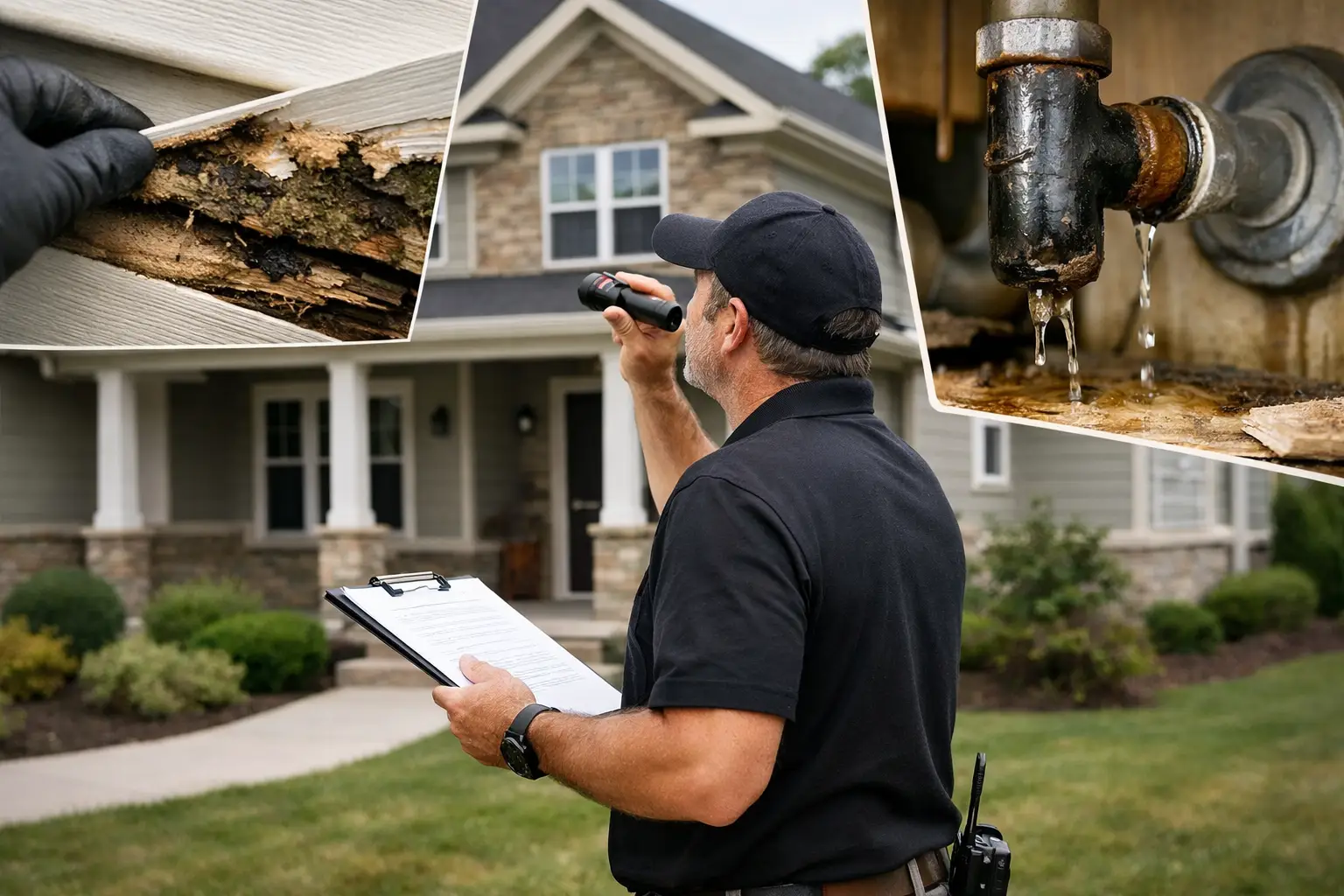
A house in Beaumont can look solid at first glance and still hide expensive problems behind fresh paint, new flooring, or a recently cleaned exterior. That is why choosing a Beaumont inspector is not just about getting a report for the file. It is about finding out how the property is actually performing in Southeast Texas conditions, where heat, humidity, rainfall, shifting soils, and wood-destroying insects all put pressure on a structure in different ways.
For buyers, owners, and lenders, the real value of an inspection is not the checklist itself. It is the ability to identify conditions that affect safety, habitability, repair cost, and negotiating power. A careful inspection should connect visible symptoms to likely causes and explain what deserves immediate attention versus what can be monitored over time.
What makes a Beaumont inspector different
A property in Southeast Texas needs to be evaluated with local conditions in mind. Beaumont-area homes and commercial buildings commonly deal with high moisture exposure, long cooling seasons, drainage challenges, foundation movement, and insect activity. Those are not fringe issues. They are routine concerns that can influence framing, finishes, roofing, plumbing performance, and indoor air conditions.
A Beaumont inspector should understand how these conditions show up in the field. That means knowing the difference between cosmetic cracking and patterns that may suggest structural movement. It means recognizing when a stain is old and inactive versus when it points to an active roof or plumbing leak. It also means understanding how venting, grading, crawlspace moisture, and HVAC performance affect the building as a whole.
This local perspective matters because two houses with the same defect can carry very different risk depending on construction type, age, maintenance history, and site drainage. A small crack at one property may be minor settlement. At another, paired with sloping floors and sticking doors, it may deserve further structural review.
What a Beaumont inspector should evaluate closely
A thorough inspection should cover the full visible and readily accessible structure, but some systems deserve extra scrutiny in this region.
Foundation performance and movement
Southeast Texas soils can expand and contract with moisture changes. Over time, that movement can stress slabs, pier-and-beam supports, walls, and floor framing. Signs may include cracks in brick veneer, interior wall cracking above doors and windows, uneven floors, binding doors, or gaps at trim.
Not every crack means major failure, and good inspectors should avoid overstating normal settlement. At the same time, minimizing movement patterns can be costly for a buyer. When the visual evidence suggests concern, more advanced measuring methods can add useful context. Texas Country Inspection, LLC uses hydro-static altimeter readings as part of foundation evaluation, which can help document elevation differences and support a clearer discussion of movement patterns.
Moisture intrusion and drainage
Water is one of the most destructive forces in any building, and Beaumont properties see plenty of it. Roof runoff, poor grading, clogged gutters, plumbing leaks, high indoor humidity, and failed sealants can all contribute to damage. Inspectors should look for staining, decayed wood, microbial growth conditions, damaged siding, soft trim, and moisture effects around windows, tubs, showers, and utility penetrations.
Drainage should also be viewed as a site issue, not just a gutter issue. If the lot slopes toward the structure, if downspouts discharge too close to the foundation, or if standing water is evident near the perimeter, the risk extends beyond muddy landscaping. Chronic moisture around the structure can affect foundation behavior, attract pests, and accelerate deterioration.
Roofs, attics, and heat stress
Roofs in this area take a beating from sun, storms, and humidity. An inspector should assess not only the roof covering but also flashing details, penetrations, drainage paths, and visible signs of age or storm wear. Inside the attic, the inspection should look for evidence of leaks, inadequate ventilation, damaged decking, insulation issues, and signs that mechanical equipment or ductwork are being affected by excessive heat.
A roof may still have life left in it even if repairs are needed. On the other hand, a roof that appears acceptable from the ground may show active leakage or poor prior repairs once the attic is evaluated. That is one reason surface-level observations are not enough.
Termites and wood-destroying insect activity
Wood-destroying insects are a serious concern in Southeast Texas, especially where moisture conditions support infestation. A Beaumont inspector should know how to spot conditions conducive to attack, including earth-to-wood contact, excessive moisture, damaged siding, leaking hose bibs, and unsealed entry points.
When a termite or WDI report is needed for a transaction, financing requirement, or peace of mind, experience matters. There is a difference between casually noticing damaged wood and understanding whether the visible evidence suggests active infestation, prior treatment, or conditions likely to invite future problems. That distinction can influence repair planning and lender documentation.
HVAC, electrical, and plumbing systems
In Beaumont, cooling performance is not a luxury issue. It is a habitability issue for much of the year. Inspectors should evaluate system response, visible duct conditions, drain line performance, insulation at refrigerant lines, and signs of deferred maintenance. Excess attic heat, poor filtration, and moisture at air handlers can all point to larger comfort and efficiency problems.
Electrical defects also deserve careful documentation. Double-tapped breakers, missing panel knockouts, overheated conductors, improper grounding, and unsafe modifications are not uncommon findings. Plumbing inspections should look beyond fixture operation to signs of leakage, drain performance, water heater concerns, and material types that may affect reliability.
Why specialty services matter on Southeast Texas properties
Some properties need more than a standard home inspection, especially in rural and semi-rural parts of the Beaumont area. A house on a private septic system or water well has extra components that directly affect use, sanitation, and repair risk. A pool or spa adds another system with safety and equipment implications. An 11-month warranty inspection can identify defects before a builder warranty period closes.
These services matter because major costs often come from the systems buyers assume are working until they fail. A septic issue can involve more than a simple repair. A well water concern may require testing and treatment decisions. A pool with unsafe bonding or damaged equipment is not a small cosmetic item.
Infrared thermography can also be useful in the right conditions. It may help identify temperature anomalies associated with moisture intrusion, missing insulation, or electrical hot spots. It is not magic, and it should never replace a solid visual inspection, but in experienced hands it adds another layer of evidence.
A Beaumont inspector should explain findings, not just list them
A good inspection report needs to do more than collect defects. It should help the client understand what was observed, why it matters, and what type of follow-up is reasonable. That is especially important for first-time buyers who may not know whether a finding is routine maintenance, a moderate repair, or a significant concern.
Clear reporting also helps experienced buyers and agents move faster. If a report documents foundation indicators, moisture entry, active roof leakage, unsafe electrical conditions, or probable wood-destroying insect activity with useful photos and direct language, the next step becomes easier. Contractors can bid more accurately. Buyers can negotiate with better support. Owners can prioritize repairs based on risk.
There is also value in restraint. Not every issue is a crisis, and overcalling minor conditions can be just as unhelpful as missing major ones. The best inspectors stay grounded in what they can observe, document patterns carefully, and recommend additional evaluation where the evidence supports it.
Choosing the right Beaumont inspector for the job
If you are comparing inspection options, look past price alone. Ask whether the inspection is tailored to Southeast Texas conditions. Ask whether the inspector has experience with termite and WDI issues, rural property systems, and signs of moisture-related damage. Ask how foundation concerns are documented and whether tools such as infrared imaging or hydro-static readings are available when appropriate.
You should also expect a report that is detailed enough to be useful after the appointment is over. The inspection day moves quickly. Questions come up later, especially once repair estimates start coming in. A strong report gives you something practical to work from.
For many buyers and property owners, the best inspection is the one that slows down a rushed decision. It gives you a clearer picture of what you are buying, what you may need to repair, and what can wait. In a market where appearances can be improved in a weekend, that kind of diligence is what protects your money long after closing.
