
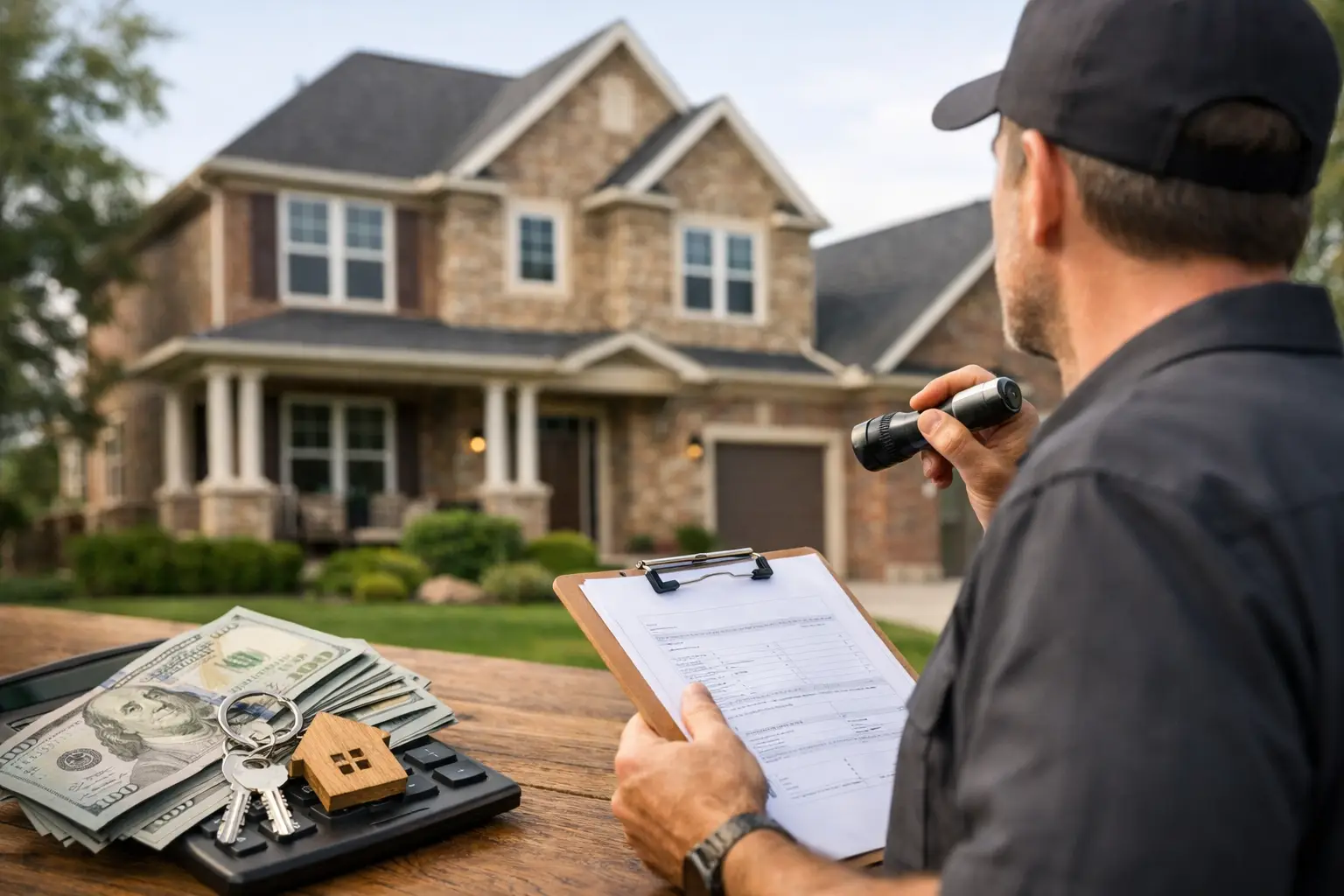
A low quote can look good right up until the report misses a shifting foundation, active wood-destroying insect activity, a failing septic system, or moisture intrusion in the attic. That is the real conversation behind home inspection cost. In Southeast Texas, the price of an inspection is not just a line item in a closing worksheet. It is part of how a buyer measures risk before taking ownership of a property.
For most buyers, the better question is not simply, “What does a home inspection cost?” It is, “What am I getting for that fee, and what problems could a thorough inspection help me catch before closing?” That distinction matters in a region where expansive soils, high humidity, heavy rainfall, wood-destroying insects, aging HVAC equipment, and private septic or well systems can all affect the condition of a home.
What affects home inspection cost?
Home inspection cost usually depends on the amount of house, the complexity of the systems, and the scope of services requested. Square footage is one of the most obvious pricing factors because a larger house simply takes more time to inspect. More rooms, more windows, more roof area, more electrical components, and more plumbing fixtures all increase the workload.
Age matters too. An older home often requires a slower, more deliberate evaluation because there may be multiple generations of repairs, additions, or outdated materials. Older electrical panels, previous roof coverings, patched foundation movement, and hidden moisture damage can all demand closer attention. A newer house may still need a complete inspection, but the level of defect history is often different.
The type of property also changes pricing. A one-story tract home with city utilities is not the same assignment as a rural property with multiple outbuildings, a septic system, a private well, and a detached garage. A historic home, a large custom home, or a property with a pool and spa will usually require more time on site and more reporting detail.
Then there are the add-on services. In Southeast Texas, many buyers need more than a standard visual home inspection. A wood-destroying insect report may be required for financing or simply advisable because termite activity is common in this climate. Septic inspections, pool and spa evaluations, water well assessments, water lab coordination, and 11-month warranty inspections all add scope. Infrared thermography and foundation elevation readings can also provide useful context when there are signs of moisture intrusion or differential movement.
What you are actually paying for
A thorough inspection is labor, judgment, and documentation. The fee covers time on site, but it also covers the inspector’s ability to recognize patterns that may not look significant to a buyer walking through the home. A stained ceiling is one example. It may be old and inactive, or it may point to ongoing roof leakage, condensation issues, or HVAC problems. The difference is not always obvious without experience.
The same is true for foundation concerns. In Southeast Texas, small cracks are common, but not every crack carries the same meaning. An inspector has to look at the total pattern – door operation, floor slope, trim separation, exterior masonry cracking, drainage conditions, and in some cases elevation data – before describing what is being observed. That level of interpretation is part of the value.
Reporting also matters. A cheap inspection is not much help if the report is vague, poorly organized, or missing photographs and clear explanations. Buyers, sellers, lenders, and agents need usable information. A good report should document material defects, identify limitations, and explain why an issue matters in practical terms.
Typical price ranges and why they vary
There is no single statewide number that fits every property, but many standard home inspections fall into a broad range based on size and complexity. Smaller homes with straightforward systems usually cost less than larger homes with specialty features. Once you add a termite report, septic system inspection, pool inspection, or other specialty service, the total goes up.
That does not mean a higher fee is always better. It does mean buyers should be cautious about choosing on price alone. If one inspector is substantially cheaper than the market, it is fair to ask what is excluded, how long the inspection typically lasts, whether specialty equipment is used when needed, and how detailed the report will be.
In practical terms, the difference between two inspection quotes may be minor compared with the cost of a missed defect. A concealed plumbing leak, active termite damage, or a compromised roof can quickly exceed the inspection fee many times over.
Why Southeast Texas homes can require a deeper look
Regional conditions affect both risk and inspection scope. Homes in the Golden Triangle and surrounding Southeast Texas areas deal with heat, moisture, storm exposure, and soil movement. Those are not abstract concerns. They show up in real defects.
Moisture is a frequent issue. It can appear as deteriorated trim, fungal growth, damaged subfloors, staining around chimneys or flashing, and microbial conditions around HVAC systems or ductwork. Termites and other wood-destroying insects are also a serious concern in this region, especially where moisture and wood contact create favorable conditions.
Drainage is another major factor. Poor grading, clogged gutters, short downspout discharge, and standing water near the foundation can contribute to structural movement and moisture intrusion. On rural properties, private septic systems and wells add another layer of responsibility. A buyer who skips those evaluations may be accepting a large unknown.
That is why home inspection cost should be viewed in relation to the property itself. A basic suburban house may need one level of service. A rural property with outbuildings, a septic system, and visible movement history may justify a broader inspection plan.
When the lowest home inspection cost becomes expensive
There are a few ways low-cost inspections can disappoint buyers. One is speed. If an inspector rushes through a property, key systems may not be observed with enough care. Another is limited scope. Some low-fee inspections exclude items that buyers assume are included. Others produce reports that mention defects without explaining severity, location, or recommended next steps.
The more expensive problem is false confidence. A buyer who believes the house is in solid condition may move forward without negotiating repairs, adjusting budget expectations, or planning for specialist review. When defects appear after closing, the inspection savings disappear fast.
This is especially true with issues that are hard to casually observe, such as attic ventilation problems, unsafe electrical conditions, hidden moisture patterns, early structural movement indicators, or evidence of prior wood-destroying insect damage. These are not cosmetic concerns. They affect safety, durability, and repair cost.
How buyers should compare inspection quotes
A useful quote should tell you more than the base price. Ask what the inspection includes, whether the inspector has experience with the type of property you are buying, and whether region-specific concerns are part of the process. In Southeast Texas, that means asking about moisture intrusion, drainage, termite risk, foundation movement indicators, and rural systems where applicable.
You should also ask whether the report includes photographs, whether same-day or next-day delivery is typical, and what add-on services are available if the property has a pool, septic system, or well. If financing or transaction requirements call for a wood-destroying insect report, confirm that separately rather than assuming it is bundled.
An experienced inspection company like Texas Country Inspection, LLC often brings more to the assignment than a checklist. Technical tools, field experience, and local construction knowledge can change what gets noticed and how clearly it is documented.
A smart way to think about inspection value
Buyers sometimes treat inspection pricing as a small negotiation point because they are already paying earnest money, appraisal fees, lender charges, survey costs, and moving expenses. That is understandable. But the inspection is one of the few places in the transaction where you are directly paying for information that protects you.
If the report identifies active leaks, failing components, unsafe conditions, or evidence of structural movement before closing, it gives you options. You may negotiate repairs, request further evaluation, revise your budget, or decide the property is not the right fit. That is not just a report. That is leverage and clarity at the right time.
The best home inspection cost is not the lowest number on a spreadsheet. It is the fee that matches the property, covers the right scope, and gives you a careful assessment of the home you may be responsible for next. When you are buying in Southeast Texas, a thorough inspection is not where shortcuts make sense.
