
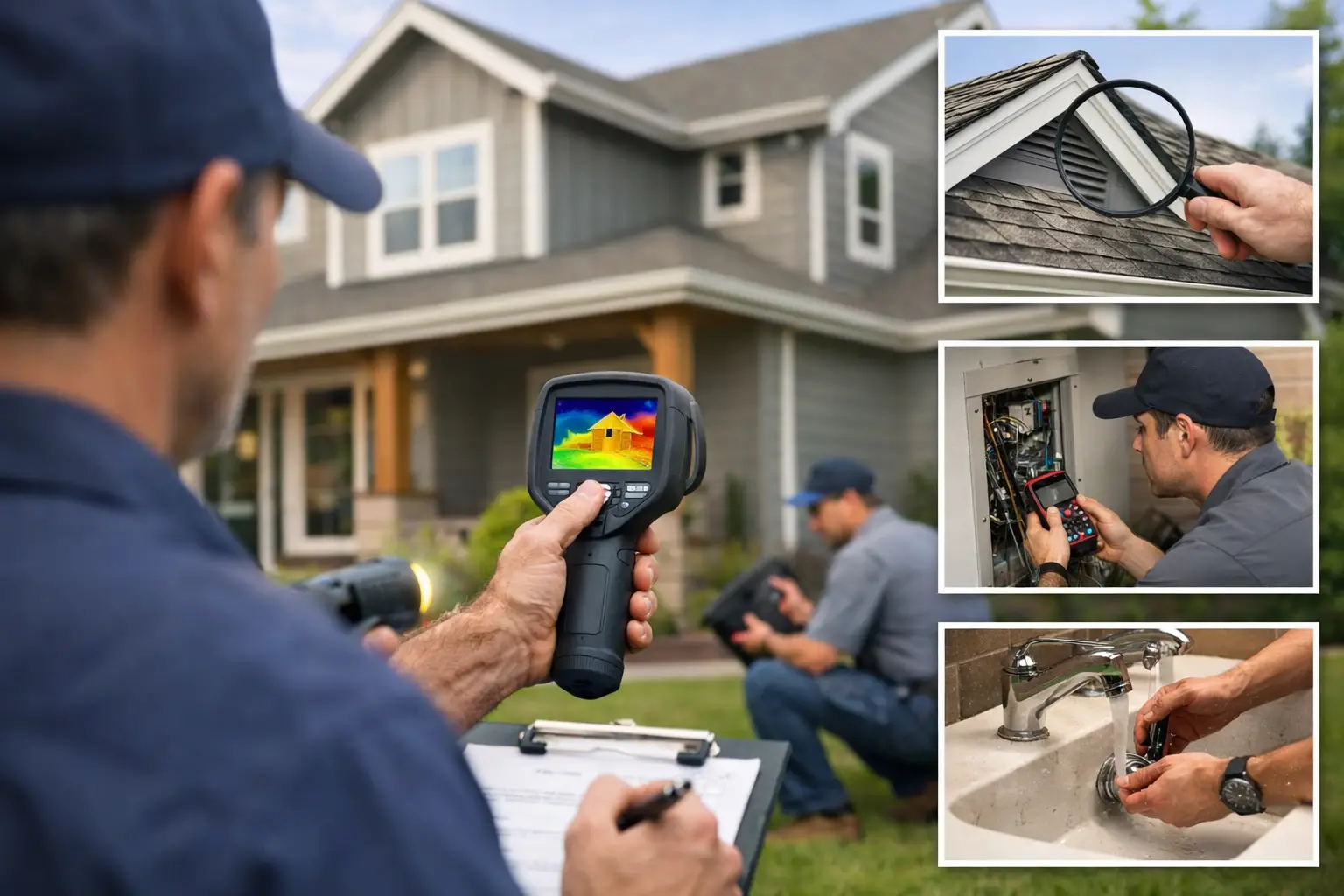
A house can look clean, freshly painted, and move-in ready – and still have active leaks in the attic, unsafe wiring at the panel, foundation movement, or wood-destroying insect damage hidden behind trim. That is why buyers ask, what does a home inspection cover, before they commit to one of the largest purchases they will ever make. A proper inspection is not a quick walk-through. It is a systematic evaluation of the home’s major systems and visible components, with attention to defects that affect safety, function, and future repair costs.
In practical terms, a home inspection covers the readily accessible parts of the structure, roof, exterior, interior, electrical system, plumbing system, HVAC equipment, insulation, and built-in appliances. The goal is to identify material defects and conditions that merit repair, further evaluation, or ongoing monitoring. It is not a cosmetic punch list, and it is not a guarantee that every hidden problem will be found.
What does a home inspection cover in a standard evaluation?
A standard home inspection starts with the structure itself. Inspectors look for signs of movement, settlement, framing concerns, and visible conditions that may indicate performance issues. In Southeast Texas, that often means paying close attention to foundation behavior, slab cracking patterns, door and window operation, wall separations, and evidence that moisture may be affecting structural materials.
The roof is another major part of the inspection. The inspector looks at the roof covering, flashing, penetrations, drainage patterns, and visible signs of deterioration or storm damage. From the ground, at the roof surface when safely accessible, and from the attic side, the inspection may reveal damaged shingles, poor repairs, soft decking indicators, or active moisture intrusion. A roof that appears acceptable from the driveway can tell a different story once the details are examined.
Exterior components are also included. That usually means siding, trim, grading, drainage, exterior doors, windows, porches, walkways, and other visible features attached to or surrounding the home. Poor drainage is especially important in this region because standing water near the foundation can contribute to movement, moisture intrusion, and long-term damage. Inspectors are not just noting appearance. They are evaluating whether water is being managed properly around the house.
Inside the home, inspectors review walls, ceilings, floors, doors, windows, stairs, and a representative number of fixtures and outlets. They are watching for more than simple wear. Stains, patched drywall, uneven flooring, sticking doors, and cracked finishes can be clues that point to leaks, structural shifting, or deferred maintenance.
Systems a home inspection typically includes
The electrical system is one of the most important parts of any inspection because safety is a central concern. A home inspection typically covers the service equipment, panelboards, branch wiring, visible grounding and bonding, receptacles, switches, and installed fixtures. The inspector may identify double-tapped breakers, overheated conductors, improper wiring methods, missing panel knockouts, lack of GFCI or AFCI protection where applicable, or other conditions that need correction. Not every issue means the whole house must be rewired, but even a few electrical defects can change the risk profile of a purchase.
The plumbing system is evaluated for functional performance and visible defects. That includes supply lines, drain and vent components, water heaters, fixtures, and faucets. Inspectors look for leaks, corrosion, poor water flow, improper materials, and signs of past or active water damage. In some homes, the concern is obvious, such as a leaking drain under a sink. In others, the clues are subtler, like staining around a tub, loose toilets, or rusted shutoff valves that suggest larger maintenance issues.
Heating and cooling equipment is also part of the inspection. The inspector will operate the system under normal controls when conditions allow and evaluate the visible components of the furnace, air handler, condenser, ductwork, and distribution system. In Southeast Texas, cooling performance matters, but so does the condition of drain lines, secondary drain pans, insulation on refrigerant lines, and signs of microbial growth or chronic condensate problems in attics and closets.
Attics and insulation are often where hidden issues become easier to spot. A home inspection covers visible insulation levels, ventilation conditions, framing observations, and signs of leaks or past repairs. Attics can reveal active roof penetration leaks, disconnected bath fans, burned framing around old electrical issues, and moisture patterns that never show up in finished rooms below.
Built-in kitchen appliances are generally inspected on a basic operational level. That often includes the range, cooktop, oven, dishwasher, microwave, garbage disposal, and exhaust fan. The purpose is to verify typical function, not to perform a detailed appliance service diagnosis.
What a home inspection does not cover
Understanding the limits matters just as much as understanding the scope. When people ask what does a home inspection cover, they sometimes assume it includes every possible issue in the property. It does not. A standard inspection is primarily visual and non-invasive. Inspectors do not open walls, move heavy furniture, cut into materials, or predict the remaining lifespan of every component with certainty.
That means some items may fall outside a standard inspection unless specifically added. Termite and wood-destroying insect reports are often separate services, even though they are critical in many transactions. The same is true for septic systems, private wells, water quality testing, pools and spas, irrigation systems, and specialized foundation measurements. For many rural and Southeast Texas properties, these add-ons are not optional in any practical sense. They are part of understanding the real condition of the property.
There are also normal access limitations. If an attic is blocked, a crawlspace is unsafe, the electrical panel is inaccessible, or a roof is too steep or hazardous to walk, the inspector documents those limits. A good report will clearly state what was inspected, what was not, and why.
Why regional conditions matter in Southeast Texas
Two houses of the same age can present very different risks depending on where they sit and how they have been maintained. In Southeast Texas, moisture is a constant factor. Heavy rain, high humidity, expansive soils, and termite pressure create conditions that deserve extra attention during the inspection process.
Foundation movement is one example. Small cracks by themselves do not always mean structural failure, but crack patterns, interior displacement, drainage conditions, and elevation differences can tell a more meaningful story when reviewed together. Moisture management around the slab, roof drainage discharge points, and soil conditions all matter.
Wood-destroying insects are another major concern. A home can appear solid while trim, framing, or other wood members have concealed damage. For buyers using certain loan types or purchasing older homes, a dedicated wood-destroying insect report may be just as important as the general inspection itself.
Septic systems and wells also come up regularly on rural properties. A standard home inspection may note visible components, but a proper septic evaluation and well-related testing often require separate procedures. That is not overkill. It is basic risk management when the property relies on private systems rather than municipal service.
How buyers should use the inspection report
The best inspection reports do more than list defects. They help buyers understand significance. Some findings are maintenance items. Some are repair issues. Some point to larger questions that justify specialist review before closing. Knowing the difference can keep a buyer from overreacting to minor wear or, just as important, overlooking a costly problem.
A missing doorstop is not in the same category as a compromised roof flashing detail that has already caused attic staining. Hairline cosmetic cracks are not the same as repeated indicators of movement across multiple areas of the home. The report should help separate nuisance items from material defects.
This is where experience matters. A thorough inspector does not just say there is a stain or a crack. The report should explain where it was found, what it may indicate, and whether repair, monitoring, or further evaluation is appropriate. That level of detail gives buyers something useful to act on during option periods, repair negotiations, or long-term planning.
For that reason, Texas Country Inspection, LLC approaches the process as a field evaluation, not a formality. Buyers need documentation they can use, especially when a home has signs of prior movement, moisture intrusion, aging equipment, or insect activity.
A home inspection covers a lot, but its real value is not the number of photos or the length of the report. It is the quality of the observations, the judgment behind them, and whether the inspection helps you see the house as it really is before it becomes your responsibility.

One Comment