
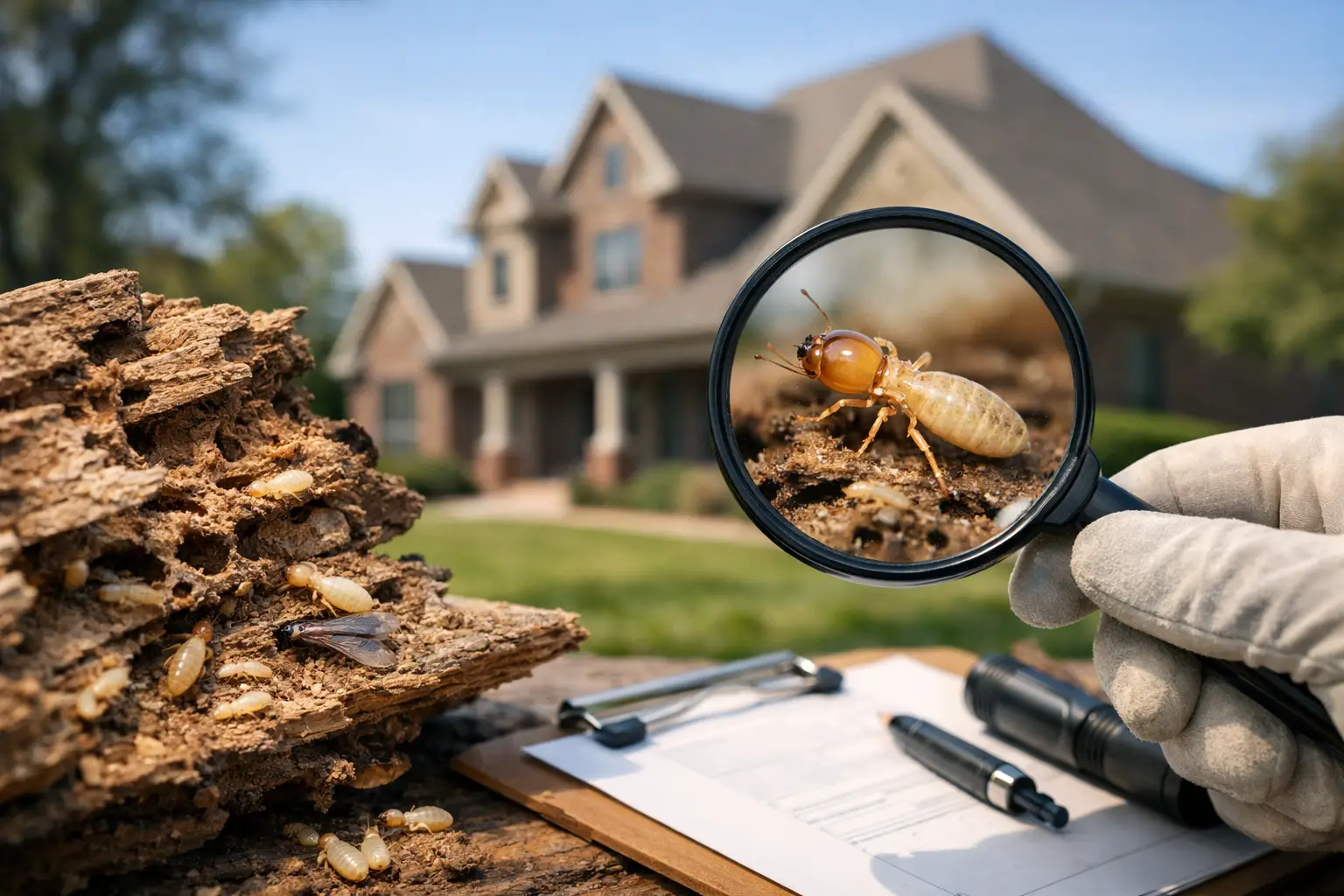
A sale can feel on track right up to the point when the lender, buyer, or agent asks for a wood destroying insect report Texas properties often require. At that moment, the question is no longer just whether termites are present. It becomes whether the structure shows evidence of current activity, past damage, conditions that invite infestation, or repairs that need closer review before closing.
In Southeast Texas, that distinction matters. Moisture, warm temperatures, expansive soils, older framing, and heavy vegetation can all create favorable conditions for wood-destroying insects. A properly performed report is not a formality. It is a targeted inspection that can affect financing, negotiations, repair decisions, and a buyer’s understanding of real risk.
What a wood destroying insect report in Texas actually covers
A wood destroying insect report in Texas is a documented inspection for visible evidence of certain insects that damage wood or wood-based materials. In most residential transactions, the main concern is termites, but the report may also address carpenter ants, carpenter bees, and wood-boring beetles if evidence is observed.
The key word is visible. An inspector is evaluating accessible areas for signs of infestation, damage, past treatment, and conditions conducive to attack. That includes looking for shelter tubes, damaged wood, frass, exit holes, moisture-related deterioration that can attract insects, and areas where soil-to-wood contact increases exposure.
This is different from a general home inspection, even though the findings may overlap. A home inspection may note damaged trim, elevated moisture, or suspicious wood deterioration. A WDI report focuses specifically on insect-related evidence and is often required in a format acceptable for lenders or transaction purposes.
When Texas buyers are asked for a wood destroying insect report
Not every transaction requires one, but many do. VA loans commonly call for it. Some lenders request it based on loan type, property condition, or underwriting concerns. In other cases, a buyer orders the report voluntarily because the home shows risk factors such as prior termite treatment, pier and beam construction, heavy mulch against the foundation, or visible wood damage.
Rural properties and older homes often deserve closer attention. So do houses with detached structures, fences tied into the home, crawlspaces, plumbing leaks, or signs of chronic drainage problems. In Southeast Texas, those details are not minor. Repeated moisture exposure and hidden access points can create the kind of conditions termites use well before obvious interior damage appears.
What the inspector is looking for on site
A thorough inspector does not simply walk the perimeter and check a box. The process should include a careful review of accessible interior and exterior areas, with attention to the building methods and environmental conditions common in the region.
Outside, the inspection often starts at the foundation line. Mud tubes on slab edges, cracks that allow hidden entry, siding installed too close to grade, foam insulation extending below grade, and landscaping that traps moisture can all matter. Wooden steps, porch framing, fence connections, stored lumber, and tree stumps near the structure also deserve attention because they can serve as bridges or nearby food sources.
Inside, inspectors look for damaged trim, blistered paint, warped door frames, stained sheetrock, soft baseboards, and other clues that suggest moisture or concealed insect activity. In crawlspaces, if accessible, the stakes are even higher. Excessive humidity, standing water, loose vapor barriers, untreated wood contact, and obstructed ventilation can all support infestation and conceal damage.
Attics may also reveal evidence, especially around framing affected by roof leaks. While termites are often associated with foundations, any area with persistent moisture and wood can become part of the story.
Why visible damage is only part of the risk
One of the most misunderstood parts of a wood destroying insect report Texas buyers receive is the difference between active infestation and evidence of prior infestation. If there are no live insects visible, that does not automatically mean there is no problem. Termites can be difficult to detect, and prior damage may still affect structural components if repairs were incomplete or if hidden conditions remain.
The opposite is also true. Evidence of prior treatment does not always mean current damage is worsening. Some homes have a documented treatment history and remain stable because the issue was properly addressed and monitored. That is why interpretation matters. The report should help distinguish between old evidence, current concern, and conditions that make future infestation more likely.
This is where field experience counts. A careful inspector understands that insect findings often connect to larger property issues such as poor grading, plumbing leaks, unsealed penetrations, wood decay, or inaccessible areas that limit visibility. The goal is not to create alarm. The goal is to document what is there, explain what it means, and identify where more action is warranted.
How findings can affect the transaction
A clear report can keep a deal moving. A report with significant findings may slow it down, but that is not necessarily bad. It gives the parties a chance to address risk before ownership changes hands.
If active infestation is found, treatment is often the immediate next step. If visible damage is present, the buyer may also need a contractor or structural specialist to determine repair scope. In some cases, the issue is limited to trim, siding, or non-structural wood members. In others, floor framing, wall framing, or concealed supports may be involved. The difference matters for both cost and urgency.
Lenders may require treatment clearance or additional documentation before closing. Buyers may renegotiate repairs or credits. Sellers may need to provide records for prior termite treatment or repairs. If the report identifies conducive conditions rather than active infestation, correction may still be wise because those conditions can become next year’s infestation if left untouched.
Common conditions conducive to infestation in Southeast Texas
In this region, moisture is often the starting point. Poor drainage at the perimeter, negative grading, clogged gutters, roof runoff discharging at the foundation, and plumbing leaks all increase risk. Wood siding or trim too close to soil can create a direct pathway for termites.
Mulch piled high against exterior walls is another common problem. So are dense shrubs that block visibility and hold moisture near the structure. In pier and beam homes, missing crawlspace moisture barriers, inadequate ventilation, and wood debris left beneath the house are recurring concerns. Even detached garages, sheds, and fence lines can be part of the picture if they create hidden routes toward the main structure.
These are not cosmetic observations. They are practical indicators of how likely a home is to develop or continue a wood-destroying insect problem.
Why combining a home inspection with a WDI report can help
When the same company understands both property systems and wood-destroying insect issues, clients often get a more useful picture of the home. That is especially true when damage may overlap with moisture intrusion, foundation movement, or deferred maintenance.
For example, a sticking exterior door could reflect normal seasonal movement, foundation-related shifting, or damage to framing members affected by insects and moisture. A stained wall might point to a roof leak, plumbing issue, or concealed deterioration that has also made the area attractive to termites. Looking at those conditions in isolation can miss the larger pattern.
Texas Country Inspection approaches these concerns with the understanding that buyers do not just need a form. They need context. A report has more value when it helps explain whether the issue appears isolated, ongoing, or connected to broader building conditions.
What buyers and owners should do before the inspection
Access matters. Clear stored items away from garage walls when possible. Make crawlspace entries accessible. Trim back heavy vegetation near the exterior. If there are receipts or records for prior treatment, keep them available. If you have noticed soft trim, winged insects, or recurring moisture at one side of the home, say so.
That does not prejudice the inspection. It helps focus attention where it belongs. The better the access and the better the available history, the more useful the final report will be.
Choosing the right report, not just the cheapest one
A low-cost report may satisfy a checkbox, but a rushed inspection can miss meaningful evidence or fail to explain what the evidence means. Buyers are often making decisions worth hundreds of thousands of dollars. In that setting, quality matters more than speed alone.
A strong wood destroying insect report should be clear, readable, and grounded in actual observations. It should identify visible evidence, describe relevant conditions, and state whether treatment or further evaluation is recommended. Most of all, it should give the client a realistic understanding of risk rather than a vague sense of reassurance.
If you are buying, selling, or refinancing in Southeast Texas, treat the WDI report as part of your due diligence, not paperwork. The right inspection can reveal issues early, support better decisions, and give you a cleaner path forward with fewer surprises after closing. That is money well spent when the structure under review is the one you are about to own.
